


Supply Chain KPIs: Mastering Your Performance Indicators
Master your supply chain KPIs: service level, inventory turnover, logistics cost. A complete guide by Tortorella & Partners.
The performance of a supply chain is not judged on instinct — it is measured. To steer your flows effectively, you need reliable indicators aligned with your business objectives. At Tortorella & Partners, a procurement center specialising in the optimisation of industrial supply chains, we support our clients in defining and tracking their supply chain KPIs. This guide gives you the keys to mastering your performance indicators and transforming your supply chain for the long term.
What is a supply chain KPI?
A KPI (Key Performance Indicator) is a quantitative measure that tracks how a process is developing against a pre-set objective. Applied to the supply chain, it assesses the efficiency, quality and speed of every stage: sourcing, production, storage, transport and final delivery to the customer.
A good KPI should be SMART: Specific, Measurable, Achievable, Realistic and Time-bound. It serves both as an operational steering tool and as decision support for senior management.
The essential supply chain KPIs
A handful of indicators are indispensable for steering your supply chain:
- Customer service level (OTIF): the percentage of orders delivered on time and in full. A common target is above 95%.
- Inventory turnover: the number of times stock is entirely renewed over a given period. The higher the turnover, the less capital is tied up.
- Order cycle time: the time elapsed between receiving an order and actually delivering it.
- Total logistics cost: the sum of transport, storage, handling and inventory management costs as a share of revenue.
- Stockout rate: how often a product is unavailable when a customer asks for it.
- Forecast accuracy: the gap between demand forecasts and actual sales.
A thorough understanding of these indicators is essential if you are to adjust your supply chain security strategies and optimise the overall performance of your operations.
How to measure and track your supply chain KPIs
Measuring supply chain KPIs without a method produces numbers, not management. The approach breaks down into four steps:
- Align KPIs with strategy: every indicator should answer a precise business question (profitability, customer satisfaction, agility).
- Set numerical targets and a measurement frequency (daily, weekly, monthly).
- Industrialise data collection through your systems (ERP, WMS, TMS) rather than through manual spreadsheet exports.
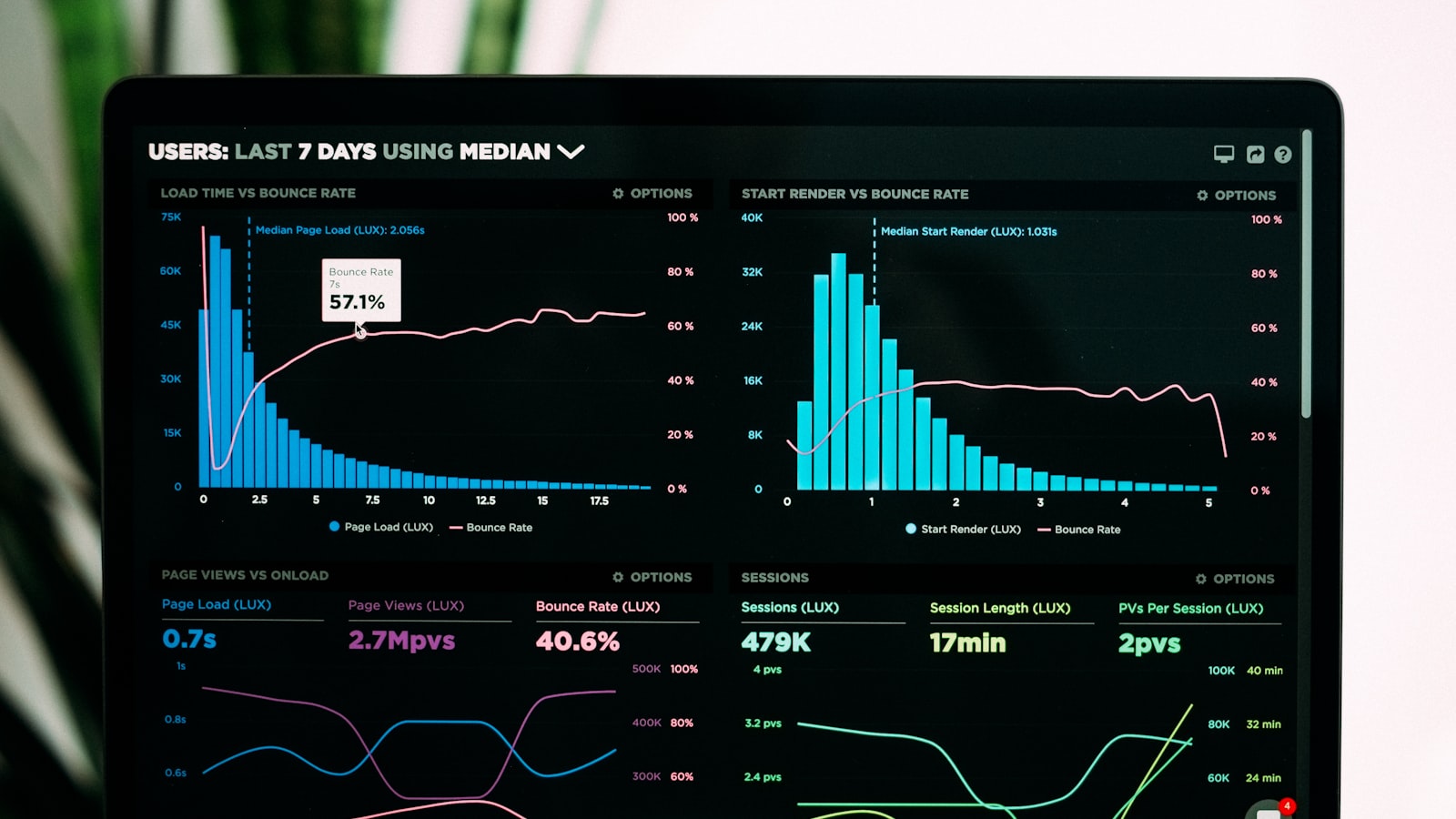
- Visualise and share through a dashboard accessible to both operational teams and management.
To go further, see our article on optimising procurement performance indicators.
Case study: optimising a supply chain through KPIs
An electronics manufacturer embarked on a structured programme of KPI-led management. By cross-analysing order cycle time, inventory turnover and logistics cost, it identified two major levers: automating warehouse goods in and out, and revising reorder thresholds.
The result: order cycle time cut by 25%, logistics costs down 15% and customer service level lifted to 97% in under twelve months. The key was weekly KPI reviews and a continuous improvement loop.
For specific advice on optimising MRO procurement, see our complete guide.

Automation and technology in the service of KPIs
Automation is a decisive lever for making supply chain KPI tracking both faster and more dependable. E-procurement platforms, modern ERPs and Business Intelligence tools make it possible to collect, cross-reference and present data in real time.
Bringing in a digital platform such as the one offered by Tortorella & Partners lightens the administrative load, removes re-keying, and gives decision-makers an immediate overview of supply chain performance.

Looking to 2026: KPIs, AI and sustainability
With Industry 4.0 gathering pace, digital transformation is forcing supply chain KPIs to evolve. Three trends will shape the coming years:
- Predictive artificial intelligence: demand forecasting, anomaly detection, logistics route optimisation.
- Environmental KPIs: carbon footprint per order, share of recycled packaging used, kilometres travelled per product.
- Resilience and continuity: indicators for supplier diversification and strategic stock cover.
To stay ahead, explore our innovative strategies for maximising supplier performance in 2026.
Best practice and mistakes to avoid with supply chain KPIs
Putting relevant supply chain KPIs in place is not enough on its own — they still have to be used properly. Industrial companies tend to run into the same pitfalls when steering their supply chain. Recognising these traps saves valuable time and makes decision-making dependable over the long run.
Limit the number of indicators you track
Multiplying KPIs dilutes your teams’ attention. An effective supply chain dashboard rests on five to ten priority indicators, chosen according to strategic stakes. It is better to steer a few indicators rigorously than to track thirty and act on none.
Cross-reference KPIs to avoid skewed decisions
An indicator taken in isolation can mislead. A high customer service level may be masking excessive logistics costs. Always cross-reference your supply chain KPIs: quality, cost, lead time and customer satisfaction need to be read together to reveal the real performance levers.
Involve the operational teams
KPIs imposed from the top without consultation lose their effectiveness. Bring your purchasing, logistics and production teams into the definition of the indicators: they know the constraints on the ground and will spot improvement levers that the numbers alone do not reveal.
Conclusion: turning your KPIs into a growth lever
Mastering your supply chain KPIs means moving from simply observing to genuinely steering. The right indicators, measured at the right rhythm and shared with the right teams, transform your operations and feed customer satisfaction. With the support of the experts at Tortorella & Partners, you build a supply chain that is more agile, more economical and higher-performing.
Would you like to audit your KPIs or put supply chain management on a firmer footing? Get in touch for a tailored conversation with our experts.